Professional Automobile Repair Solutions: Ensuring Your Vehicle Running Smoothly
Professional auto repair services play a critical role in vehicle maintenance. Routine upkeep, like timely oil changes and brake inspections, helps avoid serious problems in the future. Skilled mechanics utilize state-of-the-art tools for accurate diagnostics, ensuring reliable repairs. Appreciating the significance of quality parts further boosts vehicle performance. Still, numerous drivers neglect the consequences of these services. What are the key factors that truly define expert auto repair?
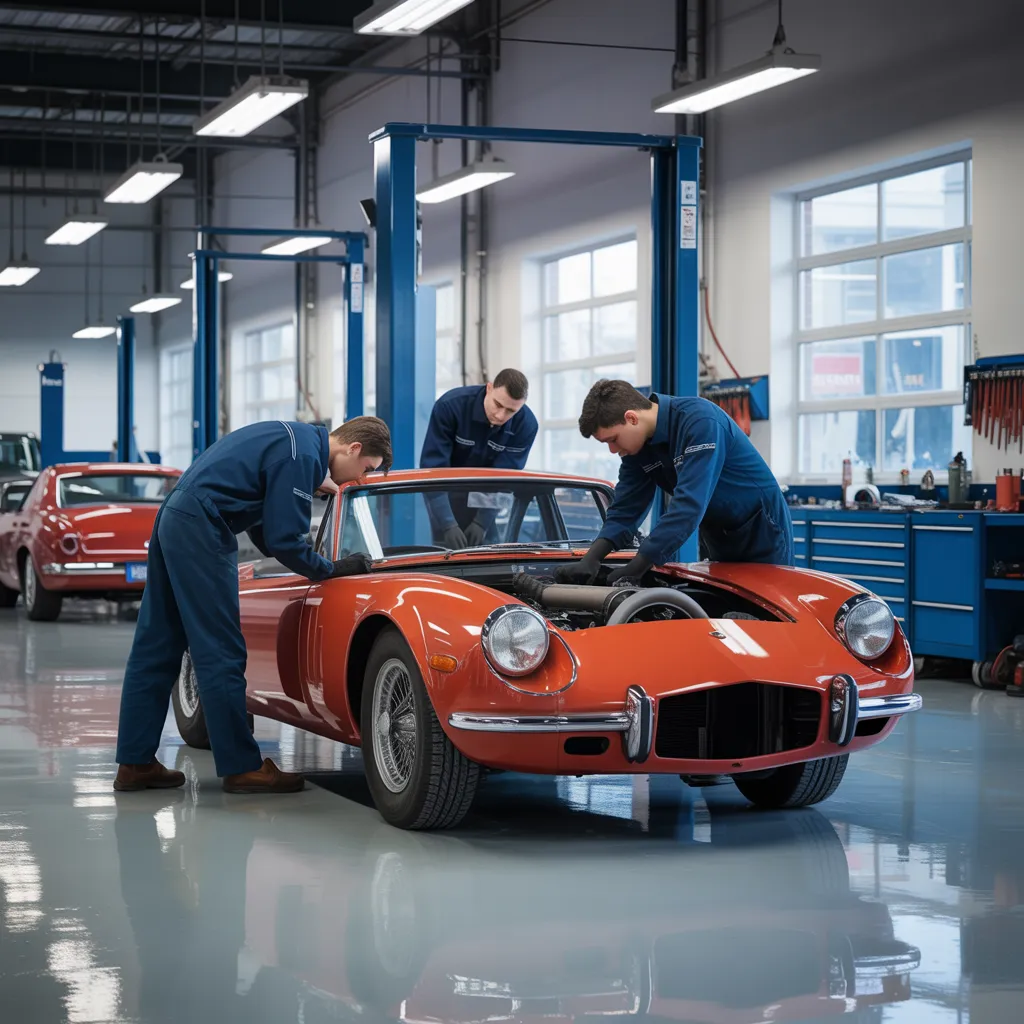
The Importance of Periodic Maintenance for Auto Repair
Preventive maintenance functions as the foundation of effective auto repair, ensuring vehicles operate smoothly and efficiently. Periodic checks, including oil changes, tire rotations, and brake assessments, prove vital in prolonging a vehicle's lifespan. These tasks help identify potential complications before they escalate into costly repairs, therefore enhancing overall vehicle safety and functionality.
Moreover, following a care routine can enhance fuel economy, creating reduced operational costs. Periodic evaluations also encourage a improved knowledge of the automobile's status, empowering owners to decide wisely concerning repairs and upgrades. Additionally, observing the manufacturer's recommendations helps keep warranty coverage and preserves the vehicle's resale value. Ultimately, regular upkeep is not merely a precaution; it is an investment in the automobile's trustworthiness and longevity, guaranteeing drivers can rely on their vehicles for years to come.
Essential Auto Maintenance Every Driver Should Understand
Grasping important auto repairs is necessary for all drivers. Key areas include routine maintenance checks, brake system inspections, and tire health management. Knowledge of these components can strengthen vehicle protection and long-term reliability.
Periodic Maintenance Inspections
Routine maintenance checks are essential for keeping a vehicle in fine condition, ensuring safety and performance on the road. Regular inspections of necessary components, such as oil levels, coolant, and filters, play a major role in a vehicle's longevity. Tire pressure and tread depth should be monitored to maximize fuel efficiency and improve handling. Additionally, checking fluid levels—like transmission and brake fluid—can prevent costly repairs down the line. Belts and hoses should also be inspected for wear and tear, as they serve key functions in engine operation. By maintaining a routine maintenance schedule, drivers can identify potential issues early, thereby promoting a more efficient and safer driving experience while maximizing the vehicle's reliability and performance.
Brake System Inspections
Keeping a vehicle's braking system in good condition is a vital part of general vehicle upkeep. Regular inspections of the brake system are crucial to ensure protection and efficiency. These inspections generally include checking brake pads, rotors, and fluid levels to assess damage and proper function. A skilled technician evaluates the braking components to detect any signs of damage or possible failure. Early identification of issues, like pad wear or inconsistent wear, helps avoid more serious problems and expensive repairs later. Drivers should adhere to manufacturer guidelines for inspection schedules, usually every 10,000 to 15,000 miles. Focusing on brake system maintenance not only improves vehicle safety but also leads to a smoother driving experience.
Vehicle Tire Health Oversight
Tire health is critical for optimal vehicle performance and safety. Regular inspections help identify issues such as uneven wear, low pressure, and potential damage. Maintaining proper tire pressure is vital; under-inflated tires can lead to decreased fuel efficiency and increased risk of blowouts. Drivers should also monitor tread depth, as insufficient tread can impair traction, especially in adverse weather conditions. Rotating tires every 5,000 to 8,000 miles promotes even wear and extends lifespan. Additionally, alignment checks can prevent premature wear and enhance handling. By prioritizing tire health management, drivers guarantee not only their safety but also optimize their vehicle's overall performance, leading to a more enjoyable and economical driving experience. Proper care can greatly reduce long-term repair costs.
Key Qualities of a Reliable Mechanic
Finding a reliable mechanic can greatly affect the longevity and performance of a vehicle. Key qualities to look for include expertise, integrity, and communication skills. A knowledgeable mechanic has a thorough understanding of various vehicle systems, guaranteeing accurate diagnostics and effective repairs. Integrity is essential; a trustworthy mechanic provides honest assessments and fair pricing without unnecessary upselling.
In addition, effective soft skills build a thorough understanding between the mechanic and the vehicle owner. This requires explaining issues in plain language and discussing repair options candidly. A credible mechanic also demonstrates professional integrity through consistent punctuality and a spotless workspace, indicating respect for both the vehicle and the owner's time. Finally, a strong presence within the community, often reflected in customer reviews, can act an marker of reliability. Collectively, these qualities guarantee that vehicle owners receive high-quality service and peace of mind.
How Experienced Analysis Rescue Your Time and Money
Effective analysis serve as the backbone of efficient auto repair, guaranteeing that issues are identified precisely and quickly. Expert technicians apply advanced diagnostic tools to assess vehicle performance, identifying issues before they escalate into costly repairs. This proactive approach not only conserves time but also reduces the chance of superfluous labor and parts replacement.
When technicians can promptly recognize glitches, they can furnish targeted repairs, enabling reduced service duration. In addition, by addressing problems early, drivers can circumvent substantial, costly repairs down the line.
Furthermore, skilled assessments can enhance overall vehicle longevity, causing better fuel efficiency and reduced maintenance costs. Ultimately, committing to professional diagnostic services can produce substantial savings, making it a wise choice for vehicle owners looking to maintain their cars in optimal condition. In this way, thorough diagnostics play an essential role in both time management and financial planning for automotive care.
Why Your Car Requires Premium Elements
Quality parts play a essential component in upkeeping a automobile's performance and ensuring its longevity. By utilizing premium materials, motorists can experience enhanced efficiency and reliability in their automobiles. Investing in premium materials not only protects against constant maintenance needs but also extends the duration of vital vehicle parts.
Enhanced Performance Guarantee
Investing in premium automotive parts significantly improves a car's durability and efficiency. Quality components are engineered to satisfy exact specifications, guaranteeing maximum performance. When drivers opt for high-quality components, they can expect improved acceleration, braking, and handling. Furthermore, superior components often undergo rigorous testing, offering confidence of reliability under various driving conditions.
Using low-quality components can lead to weak performance, causing reduced fuel efficiency and possible safety hazards. superior performance not only enhances the overall ride but also increases a vehicle's resale value. As a result, picking premium parts is an essential decision for any vehicle owner wanting to maximize their car's functionality and maintain peak performance during its lifespan.
Vehicle Component Longevity
While many automobile owners may dismiss the significance of component quality, the lifespan of a car fundamentally depends on the components used during maintenance and repairs. Excellent parts are designed to tolerate wear and tear, in the end improving the car's toughness and performance. Conversely, subpar parts can lead to recurrent breakdowns, mounting maintenance costs, and reduced protection. Using genuine OEM components or credible aftermarket choices guarantees proper fit and dependability, fostering a more efficient automotive experience. Additionally, superior components frequently feature warranties, providing peace of mind for owners. Investing in premium parts not only prolongs the operational life of various car mechanisms but also contributes to better fuel efficiency and overall driving contentment, making it a crucial consideration for all car servicing.
Tips for Establishing a Enduring Partnership With Your Mechanic
Constructing a trustworthy relationship with a mechanic can improve the overall auto repair interaction. Trust is important; customers should choose a mechanic they feel comfortable interacting openly with. Regular visits at the same shop foster closeness, allowing the mechanic to understand the vehicle's history and specific needs.
Transparency is key; customers should demand clarity about repairs and costs, ensuring they fully grasp the services provided. Sharing feedback about past experiences helps mechanics modify their approach to better meet customer expectations.
Moreover, showing appreciation for good work—by way of thank-you notes or referrals—can enhance the relationship. Customers who take part in conversations about their vehicles often find their mechanics more invested in their satisfaction. Ultimately, a robust relationship with a mechanic can result in more dependable service, excellent advice on maintenance, and, importantly, peace of mind regarding vehicle safety and performance.
Frequently Asked Questions
How Many Times Should I Change My Oil?
Typically, oil should be changed every 3,000 to 5,000 miles, depending on the vehicle and oil type. Regular checks and adhering to manufacturer guidelines guarantee peak engine efficiency and longevity for the vehicle.
What Display Customary Notice Signs of Engine Breakdown?
Typical warning indicators of motor trouble include strange noises, dashboard warning lights, lowered performance, too much smoke from the exhaust, and unusual odors. Prompt recognition of these signals can prevent more severe issues.
Can I Manage Basic Care On My Own?
Yes, people are able to complete basic maintenance by themselves. Tasks including oil changes, air filter replacements, and tire rotations are doable when you have proper tools and material instruction. However, understanding specific vehicle details and safety measures remains crucial for effective maintenance.
What's the Best Way to Pick the Right Tires for My Vehicle?
To identify the best tyres, one should account for the car's performance specs, operational circumstances, and climate. Additionally, examining tire tread patterns, standards, and proportions confirms peak performance, safety, and relaxation while moving in various environments.
What Might I Do When Experiencing a Technical Failure?
If a vehicle malfunction occurs, you should cautiously park on the shoulder, turn on hazard lights, assess the situation, and contact roadside assistance or a trusted mechanic for help. Keeping your composure is essential during emergencies.